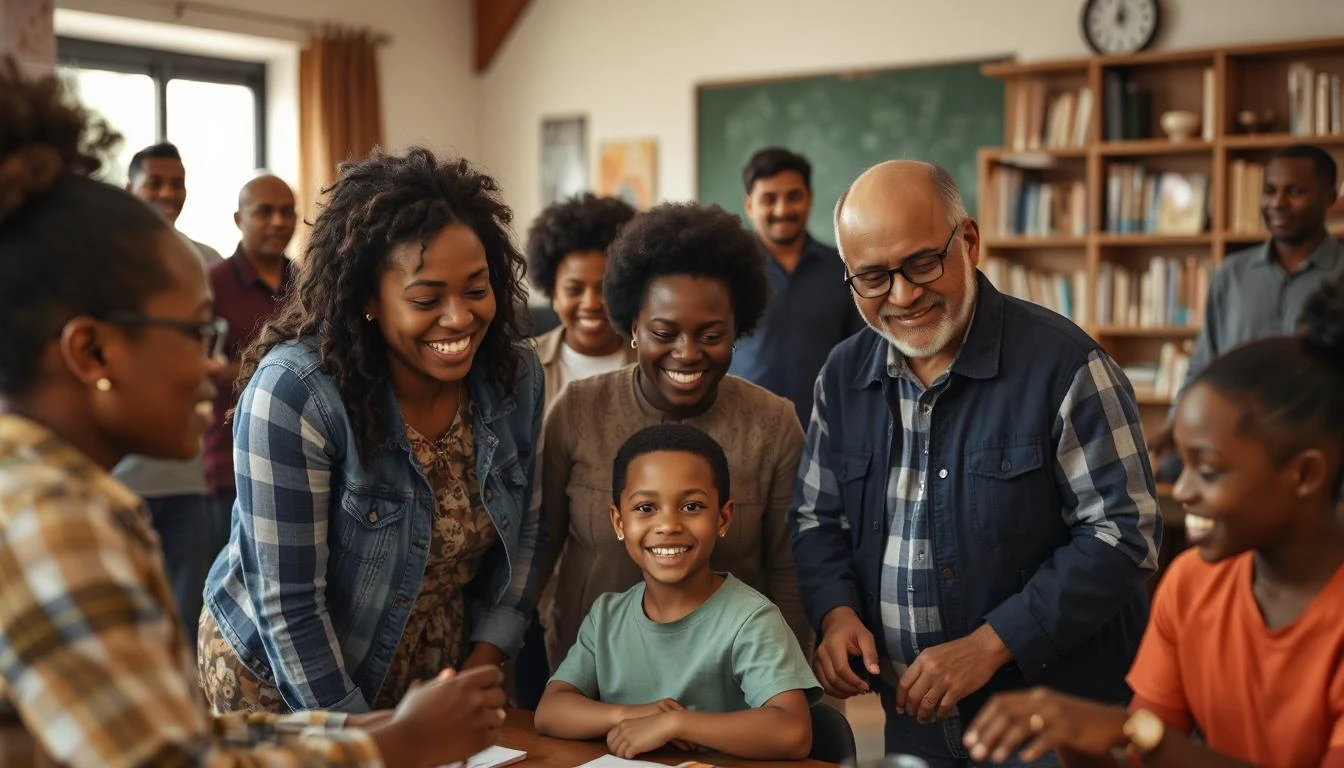
Local Culture Traditions And Community Life
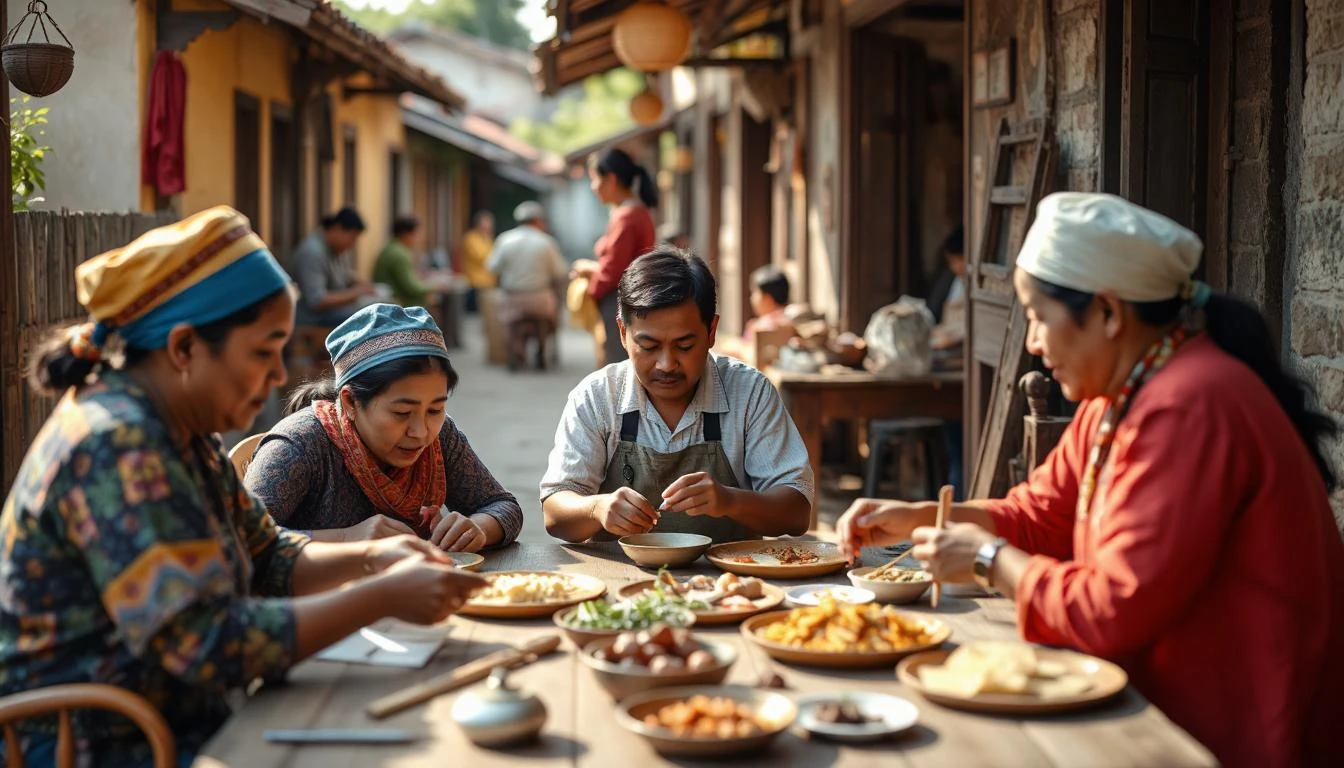
In a world that moves at digital speed, understanding human roots feels almost like uncovering a hidden map beneath modern life. Every community carries stories, habits, and silent codes that shape how people live, interact, and build meaning together. When you start observing these patterns closely, you realize culture is not just history, it is a living system still breathing inside everyday life.
Travel deeper into any society, and you will find that behavior, belief, and belonging are never random. They are shaped by inherited meaning passed through generations, sometimes quietly, sometimes loudly through rituals and shared celebrations. This is where local cultural insights become essential, helping you decode how communities truly function beyond what is visible on the surface.
Understanding The Importance Of Local Culture
Local culture is not a decorative layer of society, it is the foundation that holds identity together. Before diving into traditions and practices, it is important to feel how culture silently influences decisions, values, and even the way people connect in both physical and digital spaces.
regional customs and values often act as invisible guidelines shaping behavior, trust, and cooperation inside communities. These patterns are not accidental; they are built through centuries of lived experience and collective memory.
As cultural historian Edward Hall once said, “Culture is communication.” This statement reflects how every gesture, tradition, and ritual carries meaning beyond words. Anthropologist Clifford Geertz also emphasized that humans live in “webs of significance they themselves have spun,” reminding us that meaning is socially constructed and deeply rooted in shared experience.
Preserving traditions across generations
Traditions survive not because they are frozen, but because they are continuously reinterpreted by each generation. Families pass down stories, rituals, and values that act as cultural DNA. This transmission ensures continuity even when societies modernize rapidly, especially in an era shaped by digital transformation and global migration.
Strengthening community identity and values
Community identity grows stronger when individuals recognize shared roots. This sense of belonging creates emotional stability and trust among members. In many societies, identity is reinforced through collective memory, storytelling, and communal responsibility that binds people together beyond individual interest.
Celebrating cultural diversity and heritage
Cultural diversity is not just something to observe, it is something to experience. Festivals, rituals, and communal gatherings allow societies to express uniqueness while still connecting with others. These expressions strengthen mutual respect and broaden global understanding in an increasingly interconnected world.
Key Elements Of Local Traditions
Before exploring specific practices, it is important to understand that traditions are not static relics. They evolve, adapt, and sometimes merge with modern influences while still preserving their core meaning. This dynamic nature keeps culture alive and relevant.
cultural heritage preservation becomes increasingly important in this context, especially as globalization reshapes how communities express identity and maintain authenticity.
Festivals ceremonies and cultural celebrations
Festivals are collective expressions of joy, memory, and meaning. They mark seasonal cycles, historical events, or spiritual beliefs that bind communities together. These events often reflect deep emotional connections that strengthen unity and reinforce shared identity.
Traditional food arts and crafts
Food and craftsmanship are powerful cultural storytellers. Recipes carry ancestral knowledge, while handmade crafts preserve artistic heritage. Together, they form a sensory archive of identity that can be tasted, touched, and experienced across generations.
Language customs and community practices
Language is one of the strongest cultural anchors. Dialects, expressions, and idioms carry subtle meanings that reflect how communities think and perceive the world. Combined with daily customs, they create behavioral patterns that define social interaction.
How Community Life Supports Cultural Heritage
Community life is where culture becomes active rather than symbolic. It is in everyday interactions, shared responsibilities, and local participation that traditions remain alive and meaningful.
In this context, social cohesion and shared identity play a crucial role in maintaining cultural continuity across changing generations.
Encouraging participation in local events
Participation strengthens connection. When individuals take part in communal events, they reinforce bonds that extend beyond personal relationships. These shared experiences build emotional memory that sustains cultural identity over time.
Supporting cultural education and awareness
Education ensures that cultural knowledge does not fade. Schools, community programs, and digital platforms now help preserve intangible heritage by making it accessible to younger generations who live in increasingly globalized environments.
Building stronger social connections through traditions
Traditions act as social glue that binds individuals into a shared system of trust. These connections often become the backbone of community resilience, especially during social or economic challenges.
Discover The Value Of Local Culture And Community Life
Understanding culture is not about observing from a distance, it is about recognizing yourself within a larger human story. Every tradition carries lessons about survival, adaptation, and belonging that remain relevant even in modern global systems.
As globalization expands digital marketplaces and cross-border interactions, cultural awareness becomes a strategic advantage. Communities are no longer isolated; they are interconnected through trade, communication, and shared digital platforms. This makes local cultural insights even more valuable in interpreting global behavior patterns.
As sociologist Pierre Bourdieu once noted, “Culture is a system of lasting dispositions.” This means cultural behavior is deeply embedded and continues shaping actions even in new environments. It is also echoed by Amartya Sen, who stated, “Culture matters because it shapes identity and choice,” reinforcing its role in both personal and economic decision-making.
regional customs and values continue to influence how people engage in modern marketplaces, from consumer behavior to trust-building in digital environments.
In the end, exploring culture is not about looking backward, it is about understanding how the past continuously shapes the present and future. When you observe closely, you begin to see that every community carries a unique rhythm waiting to be understood.
This is an invitation to look deeper, listen more carefully, and engage more meaningfully with the world around you.
Take a moment and reflect on how culture quietly shapes your everyday decisions and connections.